
Enquête géotechnique : Le guide ultime de l'étude géotechnique de site
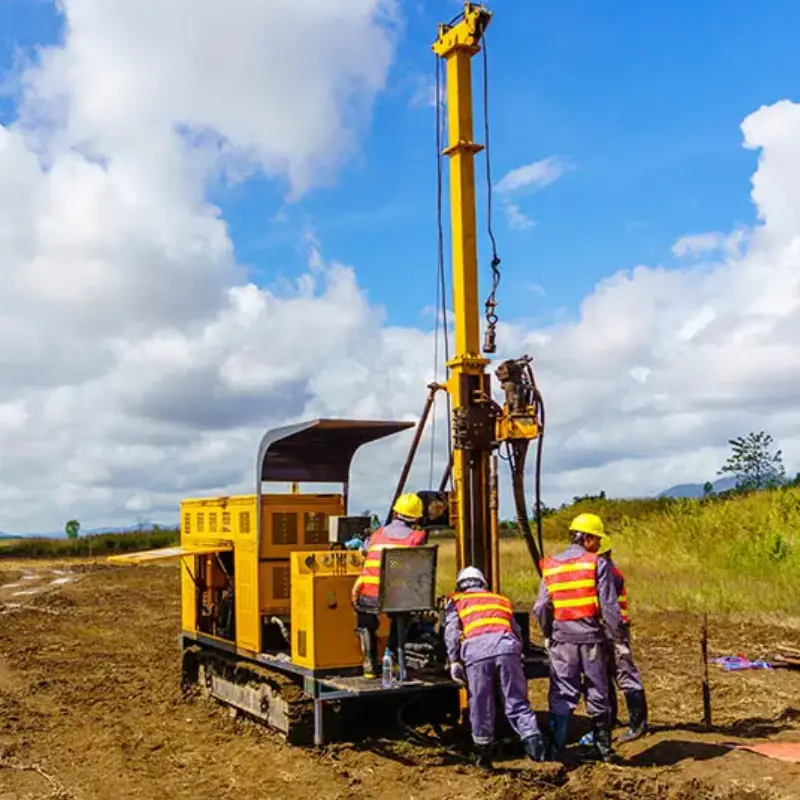
Découvrez les aspects essentiels des études géotechniques. Ce guide complet passe en revue les différentes méthodes, les étapes cruciales et les éléments clés à prendre en compte pour une évaluation efficace du site, afin de garantir la sécurité, la stabilité et la réussite de vos projets de construction.
Types de mèches traînantes : Choisir le bon foret pour vos besoins de forage
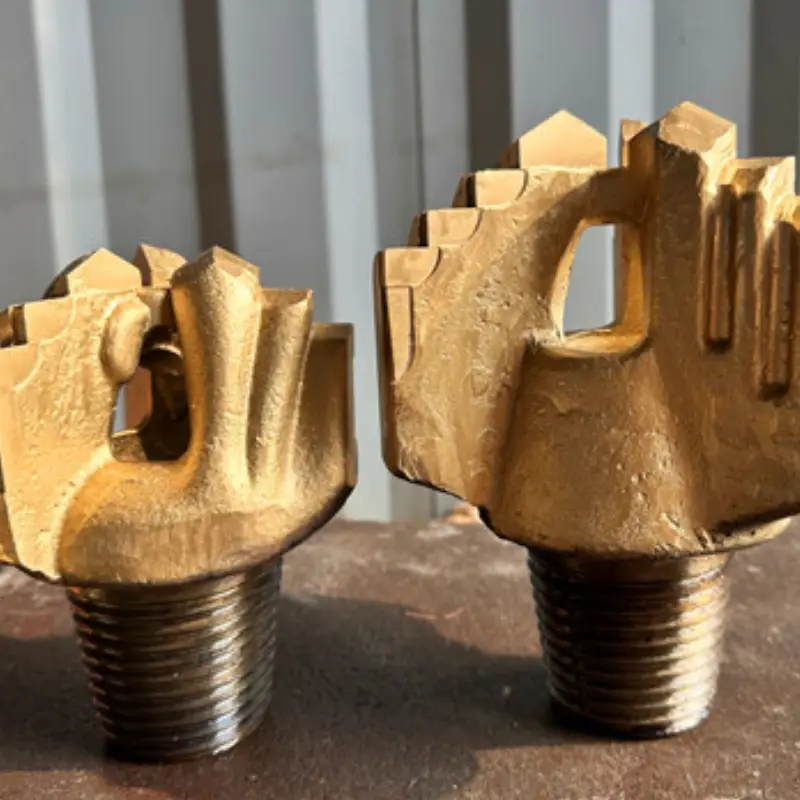
Découvrez les différents types de trépans à dragage — à gradins, en chevron et à lames — et apprenez à choisir le trépan le mieux adapté à diverses applications de forage.
Foret PDC vs Tricone : Quelles sont les différences ?

Découvrez les principales différences entre les trépans PDC (Polycrystalline Diamond Compact) et les trépans Tricone. Cet article analyse leurs conceptions respectives, leurs mécanismes de coupe, leurs performances dans diverses formations rocheuses, leurs applications typiques et leur rapport qualité-prix, afin de vous aider à choisir le trépan le mieux adapté à votre projet de forage.
Comment fonctionne un marteau perforateur DTH ?
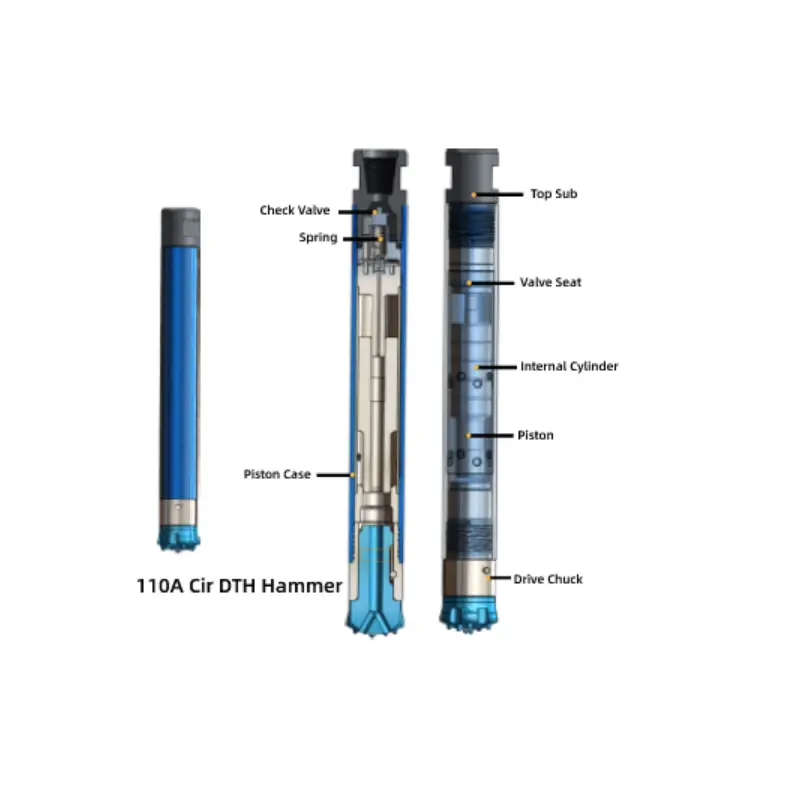
Le forage DTH vous intéresse ? Découvrez le fonctionnement d'un marteau fond de trou, ses principaux composants et comment l'air comprimé alimente cet outil performant pour fracturer la roche et réaliser des forages précis.
Le carottage à l'air : Qu'est-ce que c'est et comment ça marche ?
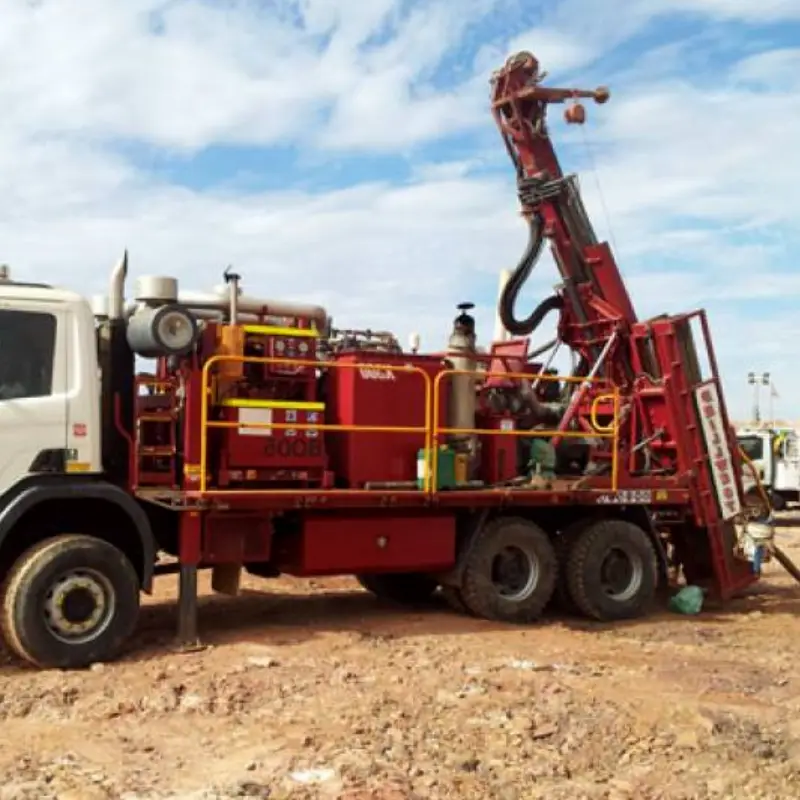
Découvrez le forage à air comprimé, une méthode qui utilise l'air comprimé pour prélever des échantillons, idéale pour l'exploration en petite profondeur dans des sols non consolidés tels que le sable et la roche tendre. Découvrez son fonctionnement, sa rapidité et sa rentabilité pour les études préliminaires et les études environnementales. Découvrez ses avantages en termes de représentativité des échantillons et ses limites dans la roche dure ou le forage en profondeur, grâce à un aperçu concis de cette technique précieuse.
Forage RC et forage au diamant : Quelles sont les différences ?
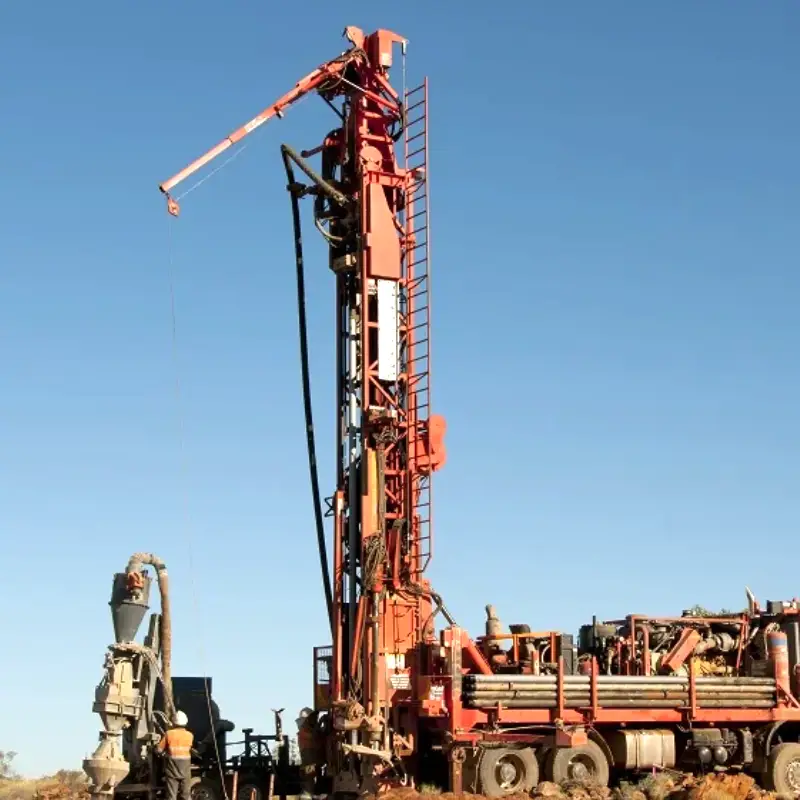
Découvrez les principales différences entre le forage à circulation inverse (RC) et le forage au diamant dans le domaine de l'exploration minière. Apprenez-en davantage sur la qualité des échantillons, la rapidité, les coûts, les profondeurs atteignables et les cas dans lesquels il convient de choisir l'une ou l'autre de ces méthodes pour vos projets de forage.
Forage RC : Qu'est-ce que c'est et comment ça marche ?
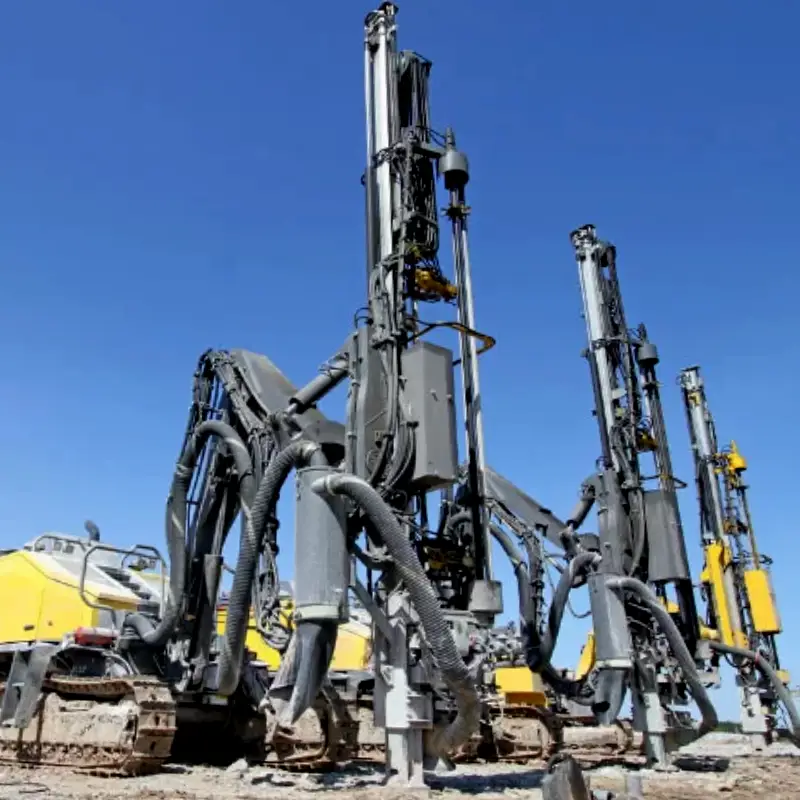
Découvrez le forage RC : de quoi il s'agit, comment fonctionne le procédé de circulation inverse, ses applications dans les secteurs minier et de l'exploration, ainsi que ses avantages.
Forage à courant continu (RC) ou à courant alternatif (AC) : comment les distinguer ?

Vous ne savez pas quelle méthode choisir entre le forage RC et le forage AC ? Cet article explique clairement les principales différences entre les méthodes de forage à circulation inverse (RC) et à carottage à l'air (AC), afin de vous aider à comprendre leurs applications et à choisir la technique la plus adaptée.
Qu'est-ce qu'un auto-perceur ? Le guide ultime
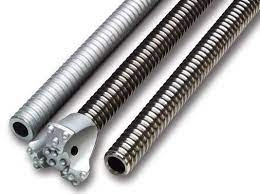
Qu'est-ce qu'une vis autoperceuse ? Les vis autoperceuses, ou vis TEK, révolutionnent la fixation en combinant le perçage et le vissage en une seule étape. La conception unique de leur pointe de perçage et de leur filetage permet une pénétration efficace et une fixation sûre dans divers matériaux tels que l'acier, l'aluminium et le bois. Cette innovation permet de gagner un temps considérable et de réduire les coûts, d'augmenter la productivité et de garantir des assemblages précis et fiables, ce qui les rend indispensables dans la construction, l'industrie manufacturière et bien d'autres domaines.
Comment retirer les chevilles autoperceuses
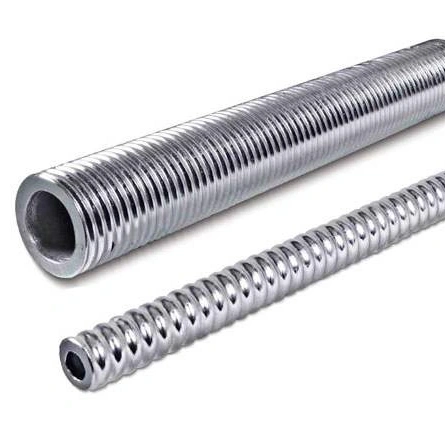
Comment retirer des chevilles autoperceuses ? Commencez par identifier le type de cheville. Pour les chevilles autoperceuses pour cloisons sèches, utilisez un tournevis ou une perceuse équipée d'un foret adapté. Insérez l'outil dans la tête de la cheville et tournez dans le sens inverse des aiguilles d'une montre pour la desserrer. Si elle est coincée, utilisez une pince pour vous aider. Une fois la cheville retirée, rebouchez le trou avec du mastic, lissez à l'aide d'un couteau à mastic, poncez une fois sec, puis peignez pour harmoniser la couleur avec le mur.