
Investigación geotécnica: La guía definitiva para la investigación geotécnica de terrenos
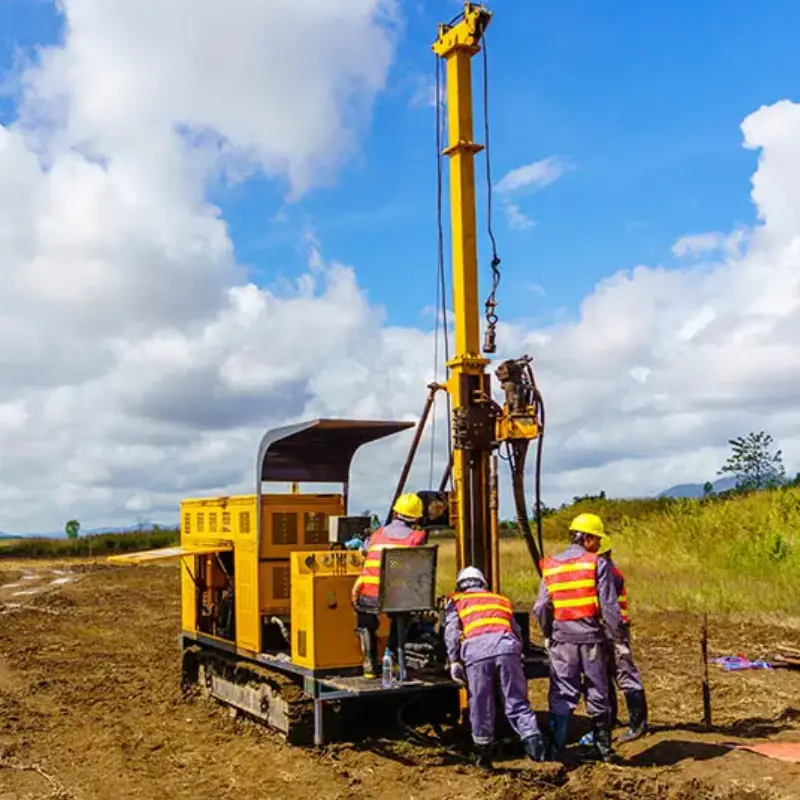
Sumérgete en los aspectos fundamentales de los estudios geotécnicos. Esta guía definitiva abarca diversos métodos, pasos cruciales y consideraciones clave para una evaluación eficaz del terreno, lo que te ayudará a garantizar la seguridad, la estabilidad y el éxito de tus proyectos de construcción.
Tipos de brocas de arrastre: Elección de la broca adecuada para sus necesidades de perforación
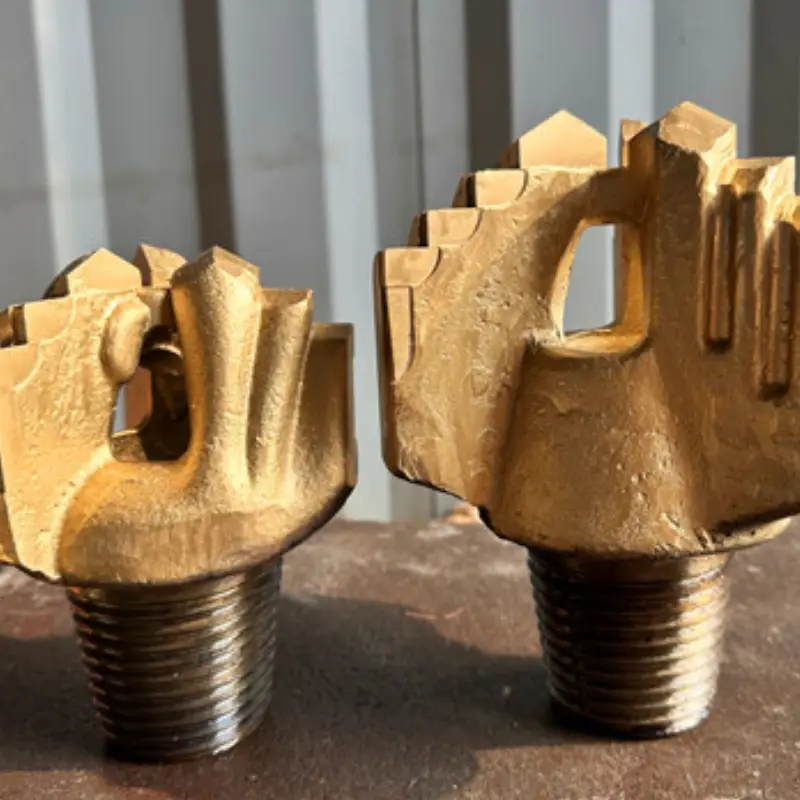
Descubre los diferentes tipos de brocas de arrastre —de escalón, en forma de V y de hoja— y aprende a elegir la broca más adecuada para diversas aplicaciones de perforación.
Broca PDC vs Tricono: ¿En qué se diferencian?

Descubre las principales diferencias entre las brocas PDC (compacto de diamante policristalino) y las tricónicas. En este blog se analizan sus distintos diseños, mecanismos de corte, rendimiento en diversas formaciones rocosas, aplicaciones habituales y rentabilidad, lo que te ayudará a elegir la broca más adecuada para tu proyecto de perforación.
¿Cómo funciona una perforadora de martillo en fondo?
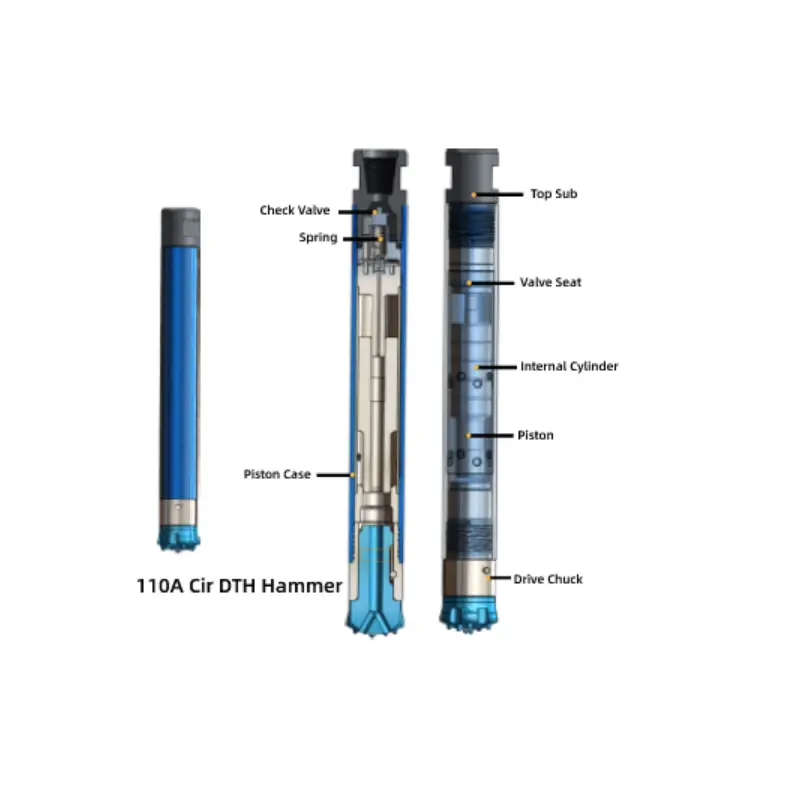
¿Te interesa la perforación con martillo de fondo de pozo? Descubre cómo funciona un martillo de fondo de pozo, cuáles son sus componentes principales y cómo el aire comprimido impulsa esta eficaz herramienta para romper la roca y realizar perforaciones precisas.
Perforación con corona de aire: Qué es y cómo funciona
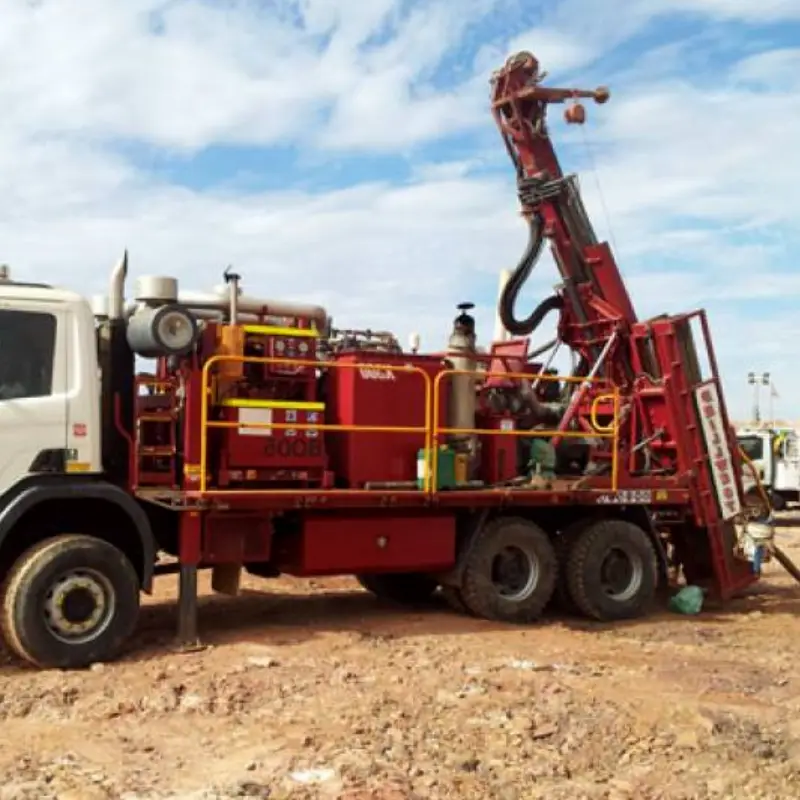
Descubra la perforación con aire comprimido, un método que utiliza aire comprimido para extraer muestras, ideal para la exploración superficial en terrenos no consolidados, como arena y roca blanda. Descubra cómo funciona, su rapidez y su rentabilidad para investigaciones preliminares y estudios medioambientales. Descubra sus ventajas en cuanto a la representatividad de las muestras y sus limitaciones en roca dura o perforaciones profundas, y obtenga una visión general concisa de esta valiosa técnica.
Perforación RC frente a perforación con diamante: ¿En qué se diferencian?
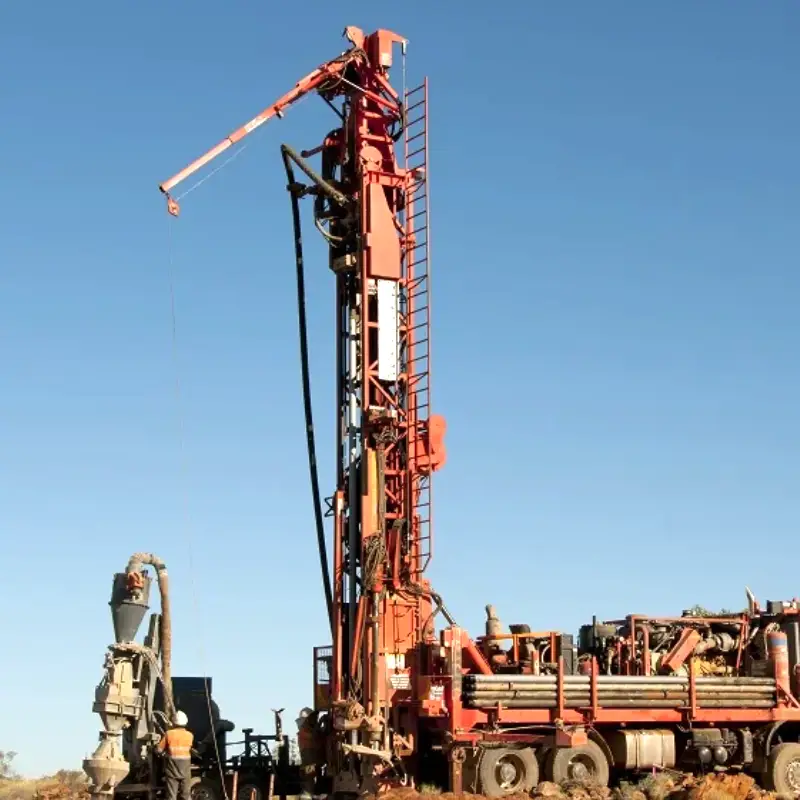
Descubre las principales diferencias entre la perforación RC (circulación inversa) y la perforación diamantina en la exploración minera. Infórmate sobre la calidad de las muestras, la rapidez, el coste, la profundidad máxima alcanzable y cuándo elegir cada método para tus proyectos de perforación.
Perforación RC: Qué es y cómo funciona
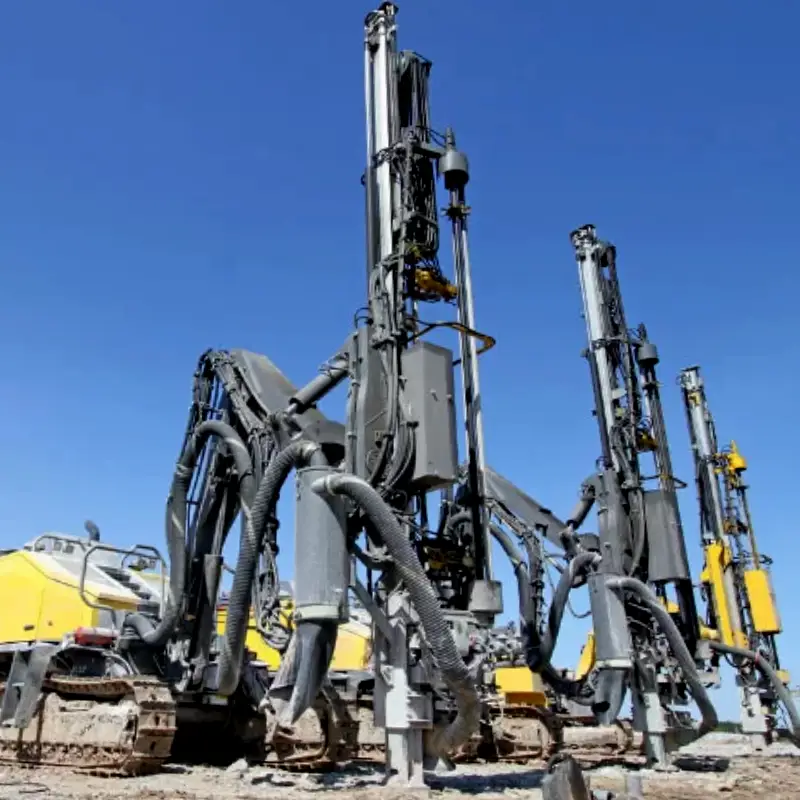
Descubre todo sobre la perforación RC: qué es, cómo funciona el proceso de circulación inversa, sus aplicaciones en la minería y la exploración, y sus ventajas.
Perforación RC vs Perforación AC: ¿En qué se diferencian?

¿No tienes claro la diferencia entre la perforación RC y la perforación AC? En este blog se explican con claridad las diferencias clave entre los métodos de perforación de circulación inversa (RC) y de núcleo de aire (AC), lo que te ayudará a comprender sus aplicaciones y a elegir la técnica adecuada.
¿Qué es un autoperforante? La guía definitiva
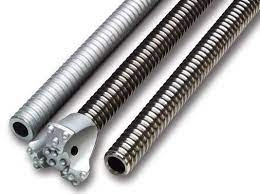
¿Qué es un tornillo autoperforante? Los tornillos autoperforantes, o tornillos TEK, revolucionan la fijación al combinar el taladrado y el atornillado en un solo paso. Su exclusiva punta de taladrado y el diseño de su rosca permiten una penetración eficaz y una fijación segura en diversos materiales, como el acero, el aluminio y la madera. Esta innovación supone un importante ahorro de tiempo y costes, aumenta la productividad y garantiza uniones precisas y fiables, lo que los convierte en imprescindibles en la construcción, la fabricación y otros sectores.
Cómo retirar los anclajes autoperforantes
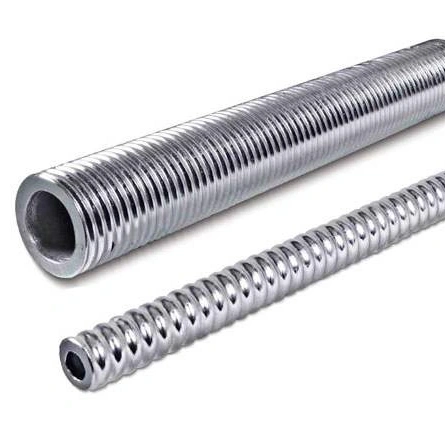
¿Cómo se quitan los tacos autoperforantes? En primer lugar, identifica el tipo de taco. En el caso de los tacos autoperforantes para placas de yeso, utiliza un destornillador o un taladro con la broca adecuada. Introduzca la herramienta en la cabeza del taco y gírela en sentido antihorario para aflojarlo. Si está atascado, utilice unos alicates para ayudar. Una vez retirado, rellene el agujero con masilla, alise con una espátula, lije cuando se seque y pinte para que quede a juego con la pared.