
Sur mesure Foret RC Fabricant au Canada
Nos forets RC sont conçus pour un forage à circulation inverse efficace et précis. Conçus pour offrir des performances optimales dans le domaine de l'exploration minière et de l'exploitation minière, ils garantissent un prélèvement fiable des échantillons avec un minimum de contamination. Fabriqués à partir de matériaux résistants pour une durée de vie prolongée et une pénétration efficace dans diverses formations, nos forets RC permettent des opérations de forage plus rapides et plus rentables, tout en améliorant l'analyse géologique.
Ame Drill - Votre confiance Foret RC Fabricant du Canada
Ame Drill, votre fabricant de forets RC de confiance basé au Canada, est spécialisé dans la production de forets à circulation inverse haute performance. Nous concevons des forets RC durables et performants pour un prélèvement d'échantillons fiable dans les secteurs minier et de l'exploration. Faites confiance à Ame Drill pour des solutions de forage de qualité et rentables.
Divers Foret RC
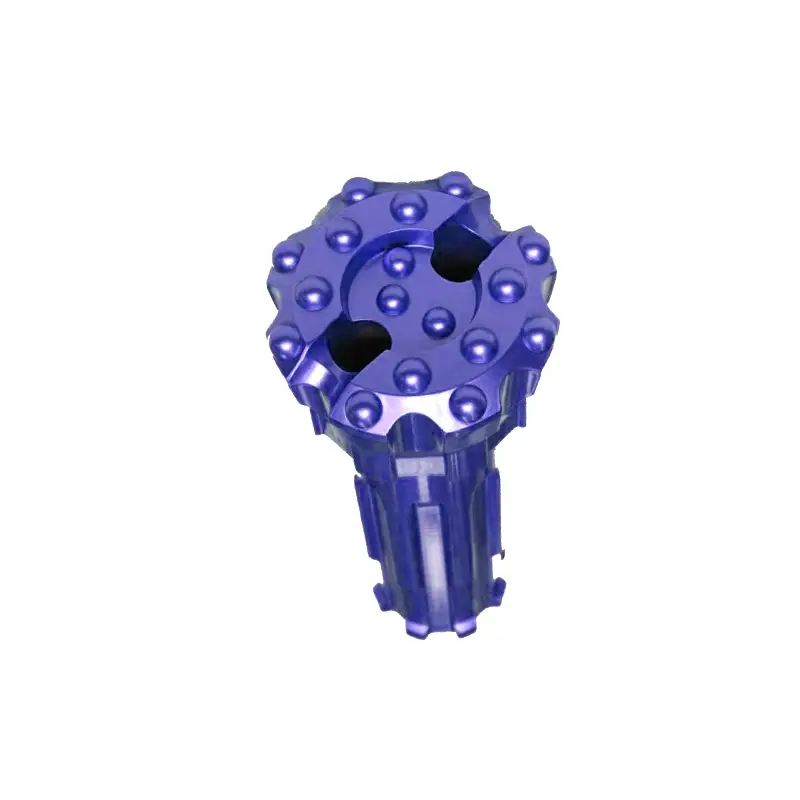
Forets rC
Nous proposons une large gamme de trépans RC robustes et performants, conçus pour un forage à circulation inverse efficace dans des conditions géologiques variées. Nos trépans garantissent un rendement optimal en termes de prélèvement d'échantillons, de précision et de durée de vie, contribuant ainsi à des opérations d'exploration minière et d'exploitation rentables et productives. Optez pour nos trépans RC fiables pour répondre à vos besoins en matière de forage.
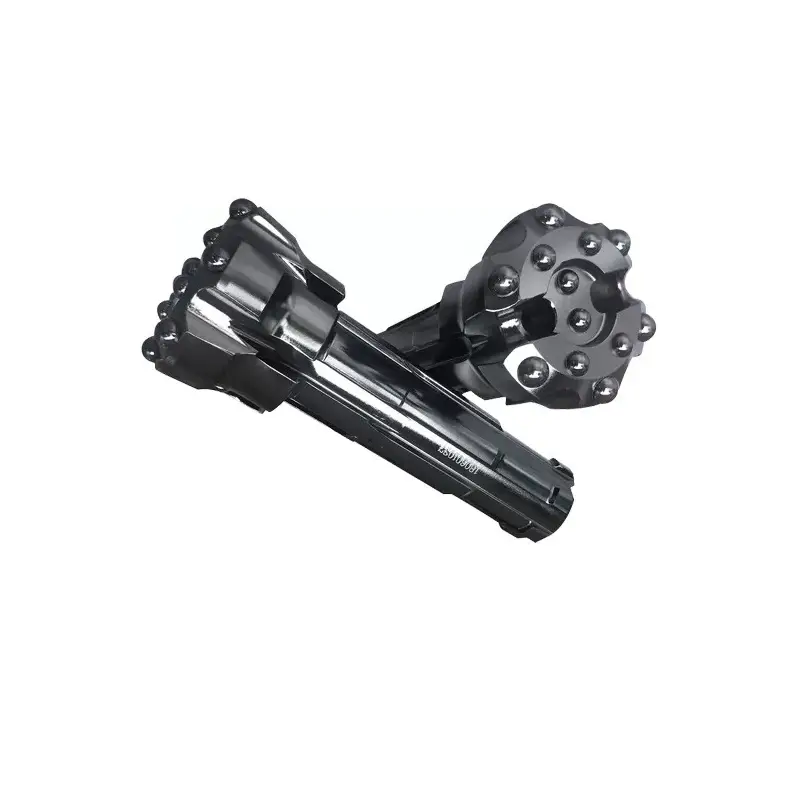
Forets rC
En tant que fournisseur de trépans pour forage à circulation inverse (RC), nous proposons une gamme complète conçue pour un échantillonnage souterrain efficace et précis. Nos trépans RC sont conçus pour offrir des performances optimales dans diverses formations géologiques, garantissant ainsi un prélèvement d'échantillons avec un minimum de contamination. Nous fournissons des solutions durables et fiables pour soutenir vos projets d'exploration minière et d'exploitation minière, contribuant ainsi à améliorer la productivité et la rentabilité. Contactez-nous pour tous vos besoins en trépans RC.
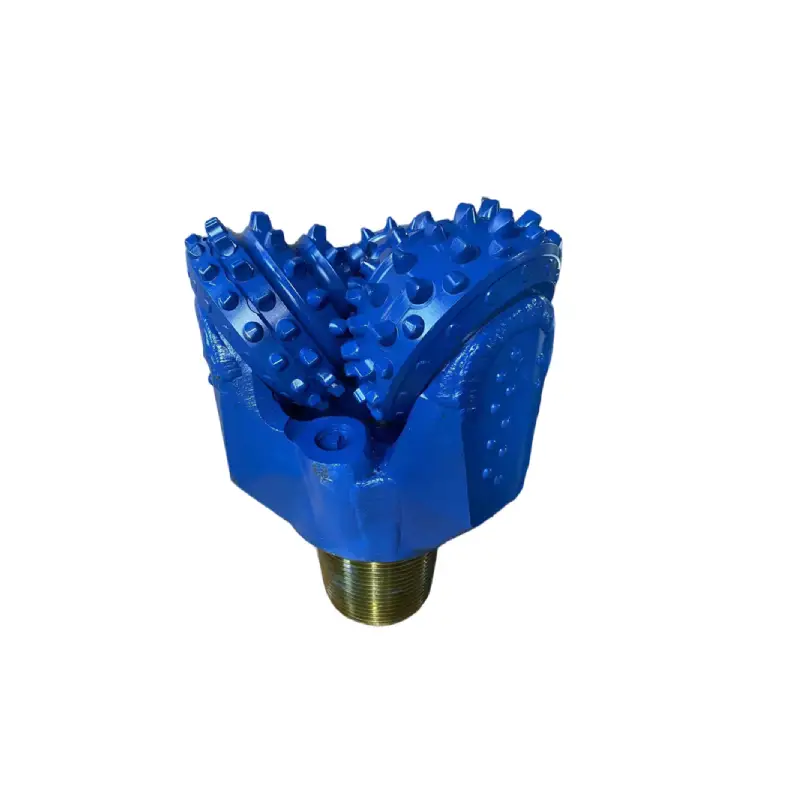
Forets tricone rC
Nous fournissons des trépans tricônes RC robustes, spécialement conçus pour les applications exigeantes de forage à circulation inverse. Ces trépans allient l'efficacité de la technologie tricône à l'intégrité des échantillons requise dans le forage RC. Conçus pour une pénétration efficace dans diverses formations rocheuses, nos trépans tricônes RC offrent une grande durabilité et des performances fiables, contribuant ainsi à améliorer la productivité du forage et à garantir une évaluation précise du sous-sol pour les opérations d'exploration minière et d'exploitation minière.
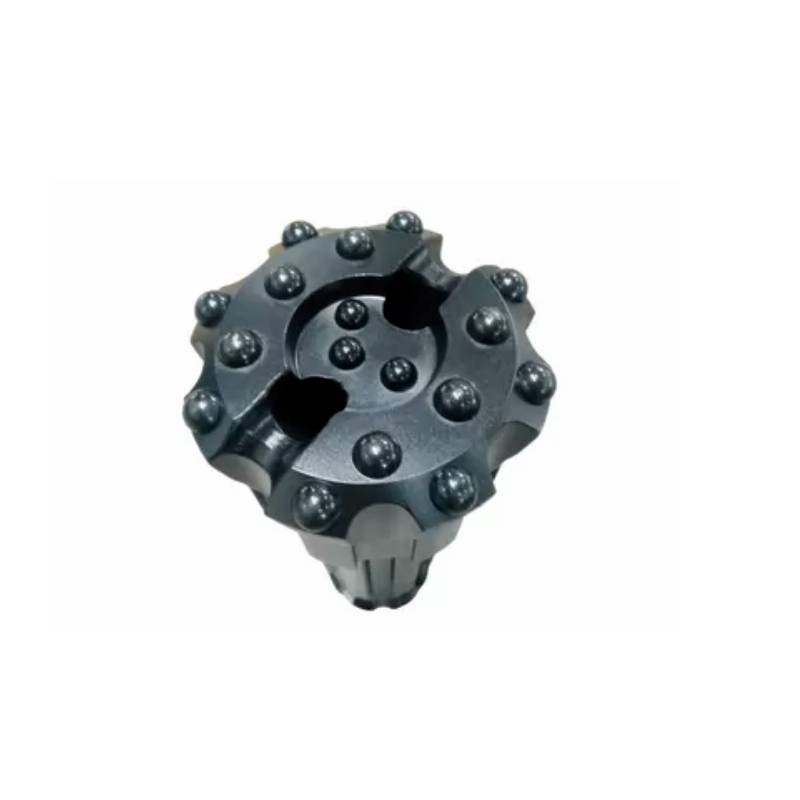
Forets DTH à circulation inverse (RC) pour le forage d'exploration en profondeur
Nous fournissons des systèmes RC (circulation inverse) robustes DTH (Down-The-Hole) des trépans spécialement conçus pour le forage d'exploration en profondeur. Nos trépans garantissent une pénétration efficace et un prélèvement fiable d'échantillons à des profondeurs importantes. Conçus pour offrir durabilité et performance dans des conditions difficiles, nos trépans RC DTH constituent la solution de confiance pour une exploration souterraine précise, optimisant la productivité et réduisant les coûts d'exploitation.
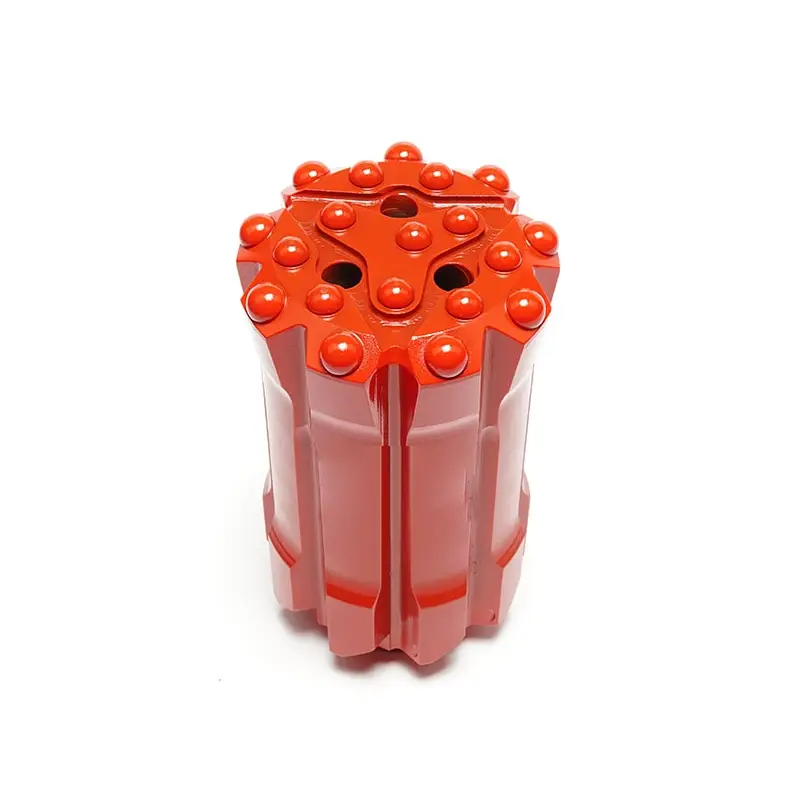
Forets à bout fileté rC
En tant que fabricant de trépans à boutons filetés RC, nous proposons une gamme complète conçue pour un forage à circulation inverse efficace. Nos trépans à boutons sont fabriqués à partir de matériaux de haute qualité, garantissant une grande durabilité et une pénétration optimale dans diverses formations rocheuses. Le raccord fileté assure une fixation sûre et aisée aux trains de tiges, contribuant ainsi à un prélèvement fiable des échantillons et à une productivité accrue lors du forage, pour répondre à vos besoins en matière d'exploration et d'exploitation minière.
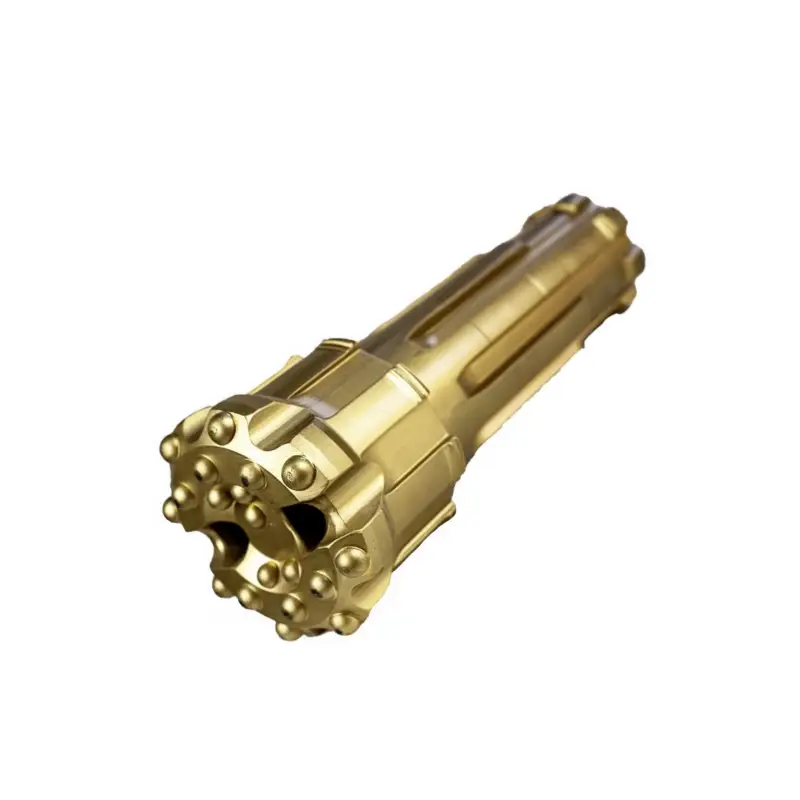
Forets rC pour le métal
En tant que fournisseur de premier plan, nous proposons une large gamme de forets RC robustes, spécialement conçus pour le prélèvement d'échantillons métalliques dans le cadre du forage à circulation inverse. Nos forets RC garantissent une pénétration efficace et un prélèvement fiable d'échantillons métalliques non contaminés, pour une analyse précise. Conçus pour offrir durabilité et performance, ils contribuent à la rentabilité et à la productivité des projets d'exploration. Contactez-nous pour obtenir des solutions de trépans RC de haute qualité adaptées à vos besoins en matière d'exploration minière.
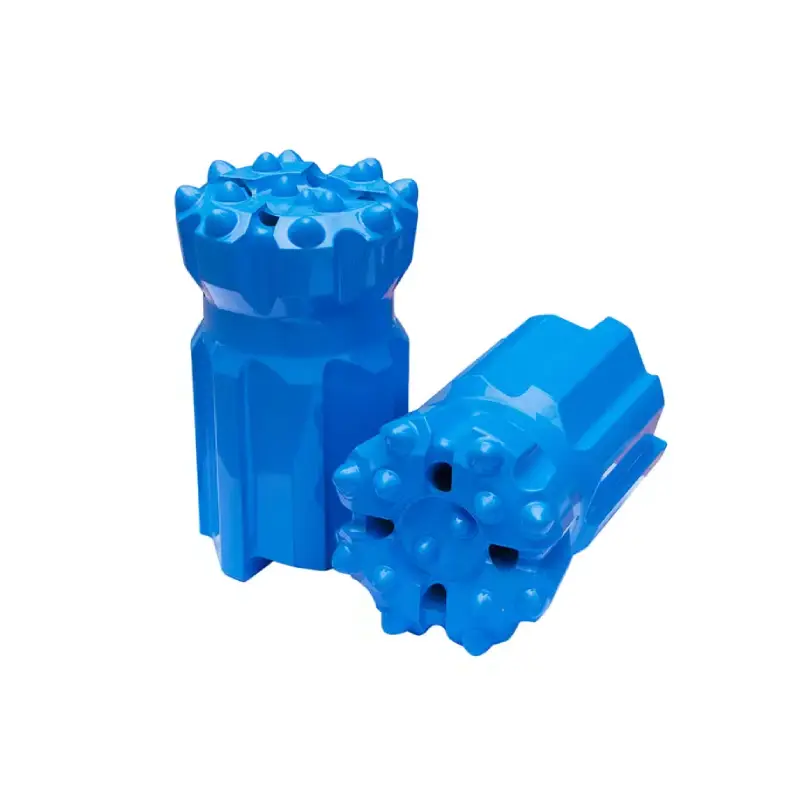
Forets à bout filetés en carbure rC
En tant que fournisseur de RC forets à bout fileté en carbureNous proposons des outils de forage haute performance spécialement conçus pour les forages à circulation inverse les plus exigeants. Nos forets à boutons en carbure sont dotés de boutons en carbure résistants et de raccords filetés robustes, garantissant une pénétration efficace et un prélèvement d'échantillons fiable dans diverses formations géologiques. Nous proposons une gamme de tailles et de modèles destinés à optimiser vos opérations de forage, alliant ainsi productivité et longévité. Contactez-nous pour nous faire part de vos besoins spécifiques en matière de forage à circulation inverse.
Personnalisez vos souhaits Foret RC
Configuration du diamètre et du débit d'air
Nous adaptons le diamètre du trépan à vos besoins spécifiques en matière de forage et aux dimensions de trou souhaitées. Nous optimisons le débit d'air grâce à des buses placées stratégiquement et à des canaux internes afin d'évacuer efficacement les déblais, garantissant ainsi un forage propre et maximisant les vitesses de pénétration dans vos conditions géologiques particulières.
Conception des boutons et nuance de carbure
Nous vous aidons à choisir la forme de trépan idéale (sphérique, balistique, conique) et la disposition la mieux adaptée à la dureté et à l'abrasivité de la formation rocheuse. Nous proposons la nuance de carbure appropriée pour une meilleure résistance à l'usure et une durée de vie prolongée, en conciliant rentabilité, performances de forage optimales et durée de vie accrue du trépan.
Type de filetage et connexion
Nous proposons des types de filetage (par exemple, API REG, BECO) compatibles avec votre train de tiges et garantissant un raccordement sûr et fiable. Nous prenons en compte la taille et la conception du filetage afin d'assurer un transfert de couple optimal et une résistance à l'usure lors d'opérations de forage en circulation inverse exigeantes.
Disposition et dimensions des orifices de rinçage
Nous adaptons le nombre, la taille et l'emplacement des orifices de rinçage afin d'optimiser l'évacuation des déblais de forage et de garantir une coupe efficace. Un rinçage adéquat empêche le colmatage, réduit l'usure du trépan et des outils de forage, et assure un prélèvement précis d'échantillons dans divers environnements souterrains.
Qu'est-ce qu'un foret RC ?
Un trépan RC (à circulation inverse) est un élément essentiel de la méthode de forage RC, une technique largement utilisée dans l'exploration minière et l'exploitation minière.
Ce trépan robuste, généralement composé de boutons en carbure de tungstène, est actionné par un marteau pneumatique situé au fond du puits.
À mesure que le trépan frappe la roche, les déblais sont refoulés vers la surface par un tube interne situé au sein du train de tiges, ce qui permet un prélèvement continu et relativement non contaminé d'échantillons destinés à l'analyse géologique.
Que signifie « RC » dans le domaine du forage ?
Dans le secteur du forage, l'abréviation « RC » signifie « circulation inversée ». Il s'agit d'une technique de forage dans laquelle les déblais, c'est-à-dire les fragments de roche broyés, sont ramenés à la surface par un tube interne situé à l'intérieur du train de tiges, contrairement au forage conventionnel où ils sont évacués hors de l'espace annulaire du trou de forage.
Ce reflux des déblais est obtenu en injectant de l'air comprimé dans l'espace annulaire extérieur du train de tiges, ce qui permet de remonter l'air chargé de déblais et les déblais eux-mêmes dans le tube intérieur, fournissant ainsi un échantillon plus propre et plus représentatif pour l'analyse géologique.
Quelle est la taille du forage RC ?
Le forage RC (à circulation inverse) implique généralement des diamètres de forage allant de de 3,5 pouces (environ 89 mm) à 9 pouces (environ 229 mm).
Les tailles les plus courantes se situent généralement dans la de 4 à 6 pouces (environ 102 à 152 mm) gamme, car celles-ci offrent un bon équilibre entre le volume d'échantillon, le taux de pénétration et le coût d'exploitation.
Le forage RC de plus grand diamètre est possible, mais il est généralement moins courant en raison des besoins en puissance accrus et de la taille de l'équipement.
Voici un aperçu des diamètres courants pour le forage RC :
- Petit diamètre : 89 mm – Souvent utilisé pour l'exploration initiale et l'échantillonnage en surface.
- Gamme commune : De 4 pouces (102 mm) à 6 pouces (152 mm) – Offre un bon compromis entre la taille des échantillons et l'efficacité du forage pour diverses applications d'exploration et de contrôle de la teneur.
- Diamètre plus grand : De 7 pouces (178 mm) à 9 pouces (229 mm) – Utilisé lorsque des volumes d'échantillons plus importants sont nécessaires, souvent dans le cadre de forages de définition des ressources ou de contrôle de la teneur, mais peut entraîner des coûts d'exploitation plus élevés.
Quelle est la différence entre le forage à courant alternatif et le forage à courant continu ?
Forage AC (Air Core) et forage RC (Reverse Circulation) sont toutes deux des méthodes utilisées pour l'étude du sous-sol, mais elles diffèrent considérablement dans leurs techniques et leurs capacités.
Le forage à courant alternatif utilise généralement un trépan rotatif avec de l'air comprimé pour éliminer les déblais du trou de forage. Les déblais sont généralement soufflés à l'extérieur de la tige de forage. Cette méthode est généralement plus rapide et plus rentable pour l'exploration à faible profondeur dans des matériaux plus tendres et non consolidés. Cependant, la qualité de l'échantillon peut être compromise en raison d'une contamination potentielle et de la perte de matériaux plus fins.
Le forage RC, quant à lui, utilise un marteau de fond de trou alimenté par de l'air comprimé pour broyer la roche. La principale différence réside dans le fait que les déblais sont remontés à la surface par le biais d'un tube intérieur situé dans le train de tiges.
Cette circulation inverse de l'échantillon minimise la contamination et permet d'obtenir un échantillon plus grand, plus sec et plus représentatif, qui se prête à des forages plus profonds et à des analyses géologiques plus précises, en particulier dans le domaine de l'exploration minière.
Voici les principales différences entre le forage RC et le forage AC :
Forage AC :
- S'appuie sur un trépan rotatif et de l'air pour soulever les déblais à l'extérieur du tube de forage.
- Généralement plus rapide et plus rentable pour les forages peu profonds.
- Souvent utilisé dans des formations plus tendres et non consolidées.
- La qualité de l'échantillon peut être moindre en raison de la contamination et de la perte de fines.
- Utilise un marteau de fond de trou et une circulation inversée pour faire remonter les déblais dans un tube intérieur.
- Convient pour les forages plus profonds et les formations rocheuses plus dures.
- Permet d'obtenir des échantillons plus grands, plus secs et moins contaminés.
- Généralement plus coûteux que le forage en courant alternatif.
La RC est-elle meilleure que le forage à percussion ?
Le forage RC (Reverse Circulation) peut être considéré comme meilleur que le forage à percussion traditionnel dans des contextes spécifiques, en particulier lorsque des échantillons de haute qualité et non contaminés sont cruciaux. Le système de circulation inverse du forage RC garantit que les déblais sont rapidement transportés à la surface par un tube intérieur, ce qui minimise le risque de contamination par les parois du trou de forage ou les eaux souterraines.
Il en résulte un échantillon plus représentatif, ce qui est essentiel pour une analyse géologique précise, en particulier dans le domaine de la prospection minière et du contrôle de la teneur. En outre, le forage RC permet souvent d'obtenir des échantillons plus grands et plus secs que les méthodes conventionnelles de percussion, ce qui simplifie la manipulation et le traitement des échantillons.
Cependant, le forage à percussion traditionnel, qui utilise généralement de l'air ou de l'eau pour évacuer les déblais dans l'anneau du trou de forage, peut être plus rentable et plus rapide dans certaines applications, en particulier pour les trous moins profonds dans des formations plus tendres où la contamination de l'échantillon est moins préoccupante.
Le matériel de forage à percussion est souvent plus simple et plus facilement disponible. Par conséquent, la "meilleure" méthode dépend fortement des exigences spécifiques du projet, notamment de la profondeur du forage, du type de formation, de la nécessité d'assurer l'intégrité de l'échantillon et des contraintes budgétaires.
Envoyez votre demande maintenant
Tout-en-un Foret RC Des solutions pour votre projet
Nous proposons diverses solutions de forage RC adaptées aux besoins de votre projet. Notre gamme comprend différentes tailles, qualités de carbure et conceptions de boutons, garantissant des performances optimales dans diverses formations. De l'exploration initiale au contrôle de la qualité, nos trépans RC durables et efficaces permettent une récupération fiable des échantillons et une productivité accrue du forage. Faites appel à nous pour la qualité, la personnalisation et l'assistance d'experts afin d'atteindre vos objectifs de forage en toute transparence.